What the Ranking Means for Business Travel
Business travel is where rank becomes concrete: which meetings you can reach next week without an appointment at a consulate.
For any company operating across borders, passport rankings look like a simple scorecard. A higher rank seems to promise less friction, smoother travel. A powerful passport suggests easy, last-minute client meetings and urgent site visits. Wrong. Relying on this single number is a critical mistake for any serious business traveler. A passport’s rank might get you through the airport for a quick meeting; it absolutely does not grant you the legal right to work, install equipment, or provide paid services. The real key to legal entry isn't the passport's power. It's the specific purpose of the trip and the immigration laws of your destination. This guide unpacks the vast, real-world difference between a passport's global mobility score and a traveler's legal right to conduct business abroad in 2026.
Passport Ranking - A comparative index that quantifies the visa-free mobility of a country's passport. It measures strength by counting the number of destinations a holder can enter without needing to arrange a visa in advance, based on data from sources like the International Air Transport Association (IATA).
Business Visitor - A legal status allowing a foreign national to enter a country for a temporary period to engage in limited, non-work commercial activities. In the United States, this is defined under the B-1 visa category and includes activities like contract negotiation, consulting with associates, and attending conferences, as outlined in the U.S. Department of State's Foreign Affairs Manual (9 FAM 402.2).
What Do Passport Rankings Actually Measure for a Business Traveler?
A passport ranking is just a number. It quantifies a travel document's global mobility by counting destinations its holder can access without a pre-arranged visa. While these indexes offer a high-level snapshot of a country's diplomatic clout, a business traveler on a tight schedule needs to look past the score. The details behind that number are what truly matter.
The core methodology of major indexes, like the Henley Passport Index, is a straightforward comparison. They pit roughly 199 different passports against 227 global travel destinations, using data primarily from the International Air Transport Association (IATA), which keeps a massive database of travel regulations.
Here's the key nuance: "access" isn't one thing. It's an aggregation of different entry types, each with huge implications for a business trip:
- True Visa-Free Entry: Just show your passport at the border. Simple. This offers the most flexibility for unexpected travel.
- Visa-on-Arrival (VOA): You get your visa at the airport or land border. While this avoids a consulate visit, it introduces real risk. Imagine landing after a 12-hour flight only to find the credit card machine is down, you don't have the exact local cash for the fee, or a border officer simply denies your entry on the spot. It's a significant gamble for a time-sensitive business trip.
- Electronic Travel Authorization (ETA): You must complete a simple online form before you fly (like the U.S. ESTA or Canadian eTA). It's usually quick and cheap, but it is a mandatory step. Forgetting this means you won't even be allowed to board the plane.
Crucially, these rankings never specify the *rights* granted upon entry. They don't distinguish between tourism and business. A passport's high rank won't tell you the permitted length of stay, whether you can attend a board meeting versus install software, or how temporary health advisories might affect your travel. Entering the Schengen Area as a visitor, for example, is legally a world apart from having the right to perform services or work, even for a single day.
What is the Henley Passport Index?
With nearly two decades of data, the Henley Passport Index is one of the most cited authorities on passport strength. It ranks countries based on the travel freedom their citizens enjoy. Its entire methodology rests on exclusive data from the International Air Transport Association (IATA), covering 199 passports and 227 travel destinations. Because visa policies change, the index is updated quarterly, making it a comprehensive and current benchmark for global mobility.
What are the Top 5 most powerful passports?
As of early 2026, the top of the rankings is a tight race between European and Asian nations. The leading group typically includes:
- Singapore: Often at or near the top, its passport grants visa-free or visa-on-arrival access to approximately 192 destinations.
- Japan & South Korea: Always in the top tier, these passports provide access to around 188 destinations.
- Germany, Spain, France, Italy: These EU heavyweights consistently share top spots, offering access to a similar number of countries.
These rankings are fluid, shifting with every new visa-waiver agreement or geopolitical tremor. The tiny differences at the top often hinge on just one or two unique bilateral agreements.
What is the U.S. passport ranking?
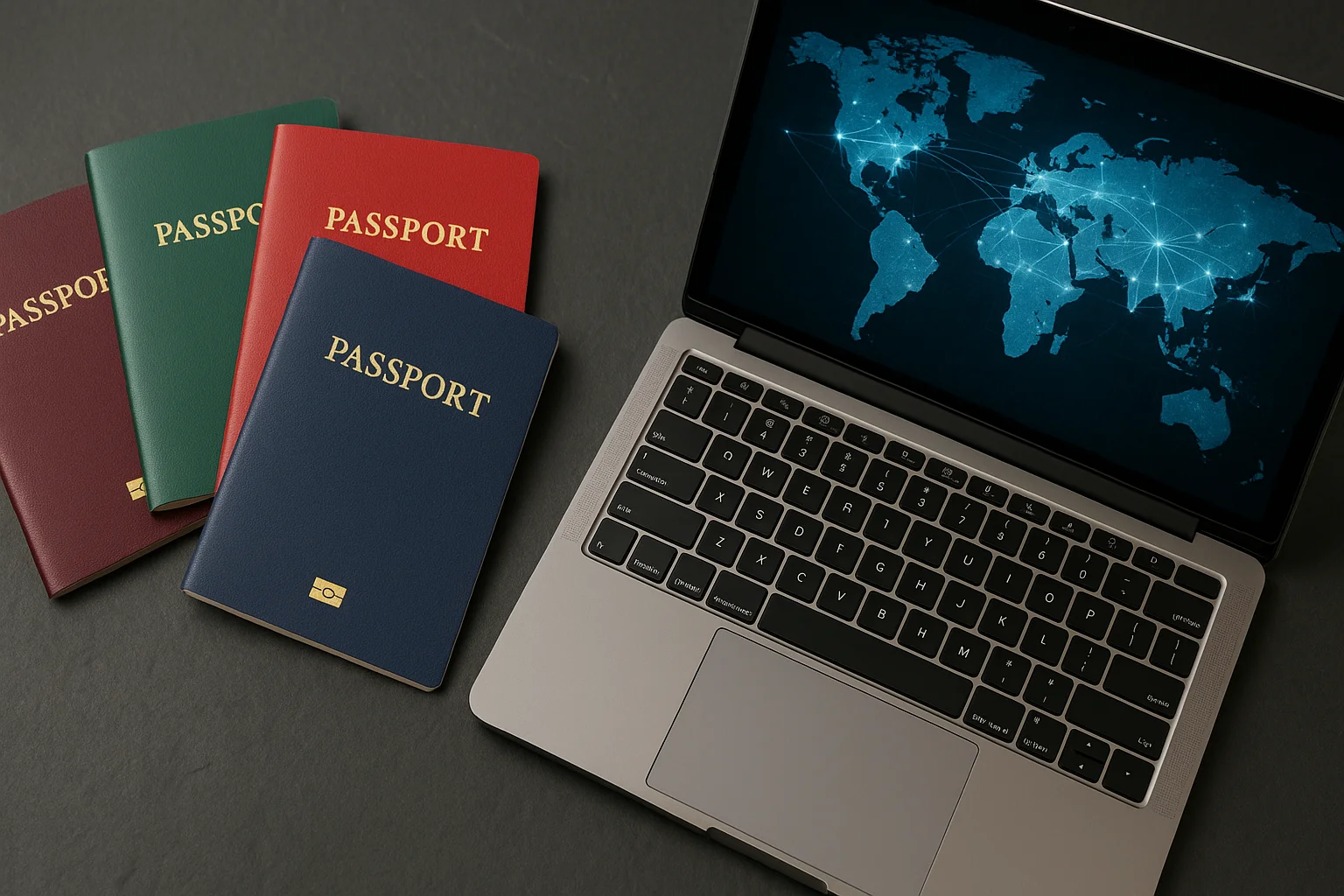
In 2026, the U.S. passport sits just outside the very top group, usually ranking around 7th or 8th with access to about 186-188 destinations. It’s still an incredibly powerful travel document. But its slide from the number one spot it held a decade ago is noteworthy. This isn't so much about the U.S. losing access; it’s about other countries, particularly in Asia and the EU, gaining more visa-waiver agreements at a faster clip. Shifting U.S. visa policy reciprocity has also played a role in its new position on global passport lists.
How Does a High Passport Ranking Benefit Corporate Travel Programs?
For a global company, an employee base holding powerful passports is a direct strategic asset. The benefits go far beyond mere convenience, translating into measurable gains in speed, cost savings, and talent management.
Strategic Agility and Deployment Speed When your employees hold strong passports (like those from the UK, Ireland, or Japan), your company can react to international opportunities instantly. An urgent client negotiation, a critical machinery failure needing an expert engineer, or a surprise M&A target can be addressed in days, not the weeks a visa application would take. It removes a massive bottleneck, allowing the business to be far more responsive to market demands and client emergencies.
Direct and Indirect Cost Savings The financial upside of visa-free travel is huge. Companies dodge a whole slate of direct costs tied to visa applications:
- Application Fees: These can run from tens to hundreds of dollars per person, per trip.
- Service Fees: What you pay third-party visa centers or couriers to manage documents.
- Legal Fees: The cost of consultations to ensure compliance for more complex trips.
Beyond that are the indirect savings. Employees aren't wasting time gathering documents and attending consulate appointments; they're focused on productive work. Plus, the company avoids the risk of booking non-refundable flights and hotels only to have a visa delayed or denied—a common and expensive problem.
Enhanced Talent Mobility and Global Expansion A diverse workforce with a portfolio of strong passports can be the linchpin of a global expansion strategy. This "passport portfolio" enables strategic deployment.
- An employee with an EU passport offers seamless mobility across the 27 Schengen Area states, making them perfect for managing regional operations.
- Got an employee whose passport has unique visa-free access to a specific market in South America or Southeast Asia? They just became your point person for business development there.
This lets HR and global mobility managers build teams that are not only skilled but also geographically fluid. It's a significant competitive edge.
What Are the Legal Traps of Relying Solely on Passport Rankings?
A passport's visa-free access is almost always for tourism or very limited business activities. Mistaking this for a right to work is the single biggest legal trap in international business travel. The consequences are severe: deportation for the employee, hefty fines for the company, and future entry bans for both.

The "Visitor for Business" vs. "Work" Distinction This is the critical legal line that passport rankings completely obscure. A high-ranking passport gets a traveler admitted as a "business visitor," a status that typically allows for activities not considered local employment. Think of things like:
- Attending meetings and conferences.
- Negotiating contracts.
- Conducting site surveys.
- Participating in training (as the one being trained).
However, this status expressly forbids "work," which means entering the local labor market. Examples of unauthorized work often include:
- Performing any hands-on services, like installing software or repairing machinery.
- Delivering paid consulting services to a local client.
- Filling in, even for a day, for an absent employee in a local office.
A software engineer flying in for a sales presentation is a business visitor. That same engineer traveling to install a system for a client is almost certainly performing work and may need a specific work permit, no matter how powerful their passport is. U.S. immigration law, for example, is crystal clear on this for anyone entering under the Visa Waiver Program (VWP) or with a B-1 business visitor visa. Doing anything outside the approved scope is a direct violation of U.S. law.
Passport Validity and the Discretion of Border Officials Even with visa-free privileges, entry is never guaranteed. First, nearly every country requires a passport to be valid for a specific period beyond the intended departure date—most commonly six months. An employee showing up with a passport expiring in four months can be denied boarding at their home airport or turned away on arrival. Second, border control officers always have the final say. If an officer suspects a traveler's true intent is not a simple business visit (for instance, if they believe the person secretly plans to find a job), they have the absolute authority to refuse admission, no questions asked.
Destination-Specific Rules Override Global Rankings A passport ranking is just a global average. It’s not a legal guide for your specific trip. The only source of truth is the destination country’s immigration law, which is defined by its embassy or consulate for your exact nationality. Everything comes down to bilateral agreements. Or the lack of them. A sudden travel ban or a breakdown in diplomatic relations can vaporize visa-free access overnight, making a passport's high rank totally irrelevant for that one trip. Before you go anywhere, check the official consular website for the absolute latest rules.
What is the Practical Process for Planning an International Business Trip?
A successful international business trip isn’t built on passport rankings. It’s built on a clear process that puts official rules first. The whole thing starts not with a passport index, but with a brutally honest definition of what your team will actually be doing on the ground.
1. Define the Trip's Exact Purpose and Activities First, get a clear, written description of the employee’s duties. Vague terms like “business trip” are a compliance nightmare waiting to happen. Ask pointed questions:
- Are you just attending meetings, or will you be presenting at a conference?
- Will you provide hands-on technical support, installation, or training? (This is a major red flag for immigration officials.)
- Are you there to sign contracts or negotiate deals?
- Is there any chance you'll receive payment from a source inside the destination country?
The answers dictate the correct legal path.
2. Consult Official Government Sources Next, you must check the official entry requirements. This means going directly to the destination country's embassy or consulate website for the traveler's specific nationality. These sites are the primary source of truth. They have the most up-to-date information on visas, permitted activities, and required documents. Stop relying on third-party websites or what a colleague did last year. For U.S. travelers, the State Department’s country pages are a great place to start, but you must still cross-reference everything with the destination’s own consular site.
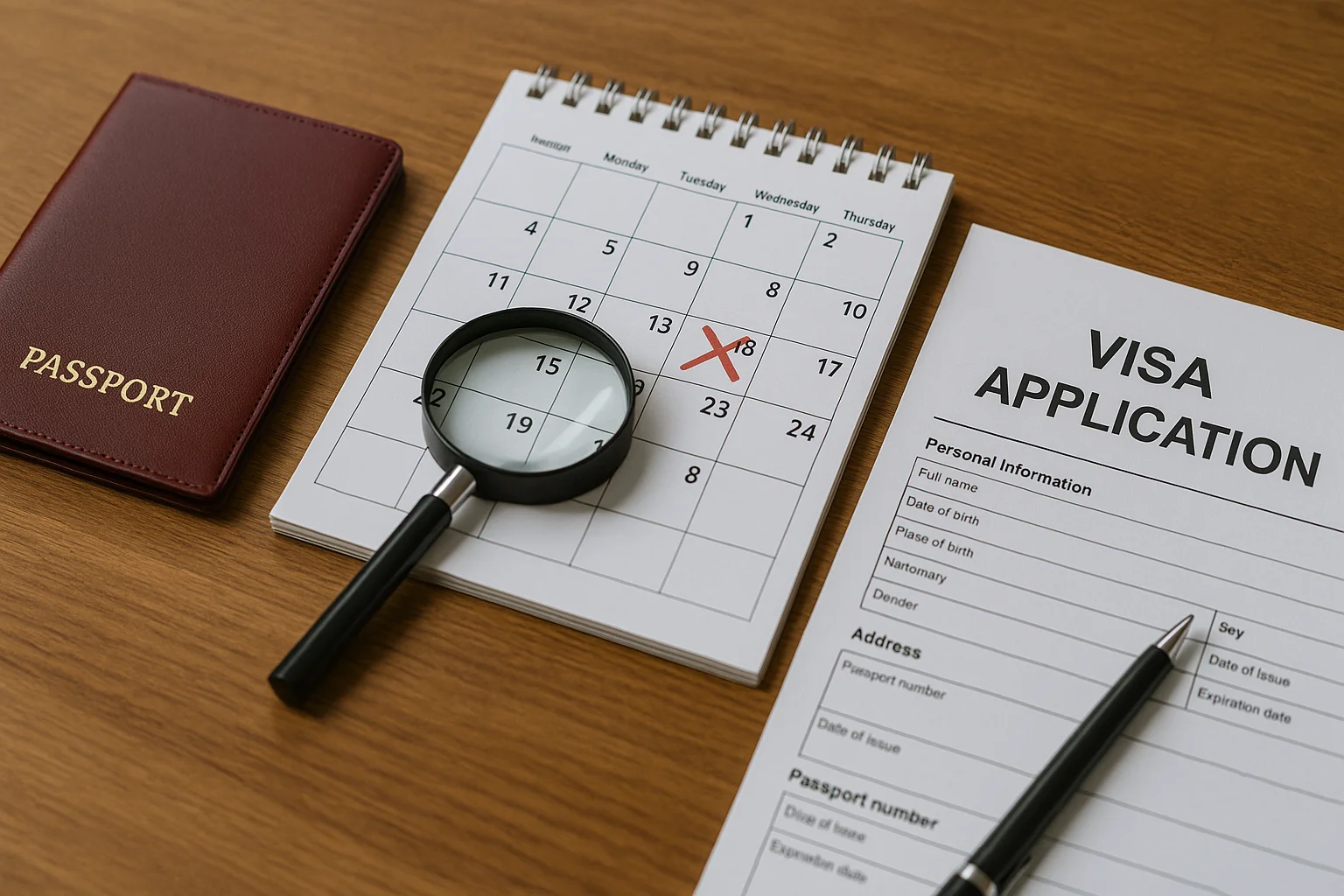
3. Identify the Correct Entry Route: Business Visitor or Work Permit? Based on the trip’s purpose, you can now figure out the right entry category.
- Business Visitor: If the activities genuinely fall under "business visitor" (like meetings or negotiations) and the traveler's passport has visa-free access, the process might be simple. It could just require an Electronic Travel Authorization (ETA), like the ESTA needed for the U.S. Visa Waiver Program (VWP).
- Work Permit/Specific Business Visa: If the activities look like "work"—especially paid services or hands-on labor—a work permit or specific business visa is mandatory, even for a very short trip. This is a much more complex process. It demands a formal application, often sponsored by a host company in the destination, and can take months.
4. Gather All Required Documentation With the entry route confirmed, it's time to build the file. Paperwork requirements change, but a standard application for a business visitor often includes:
- Valid Passport: With at least six months of validity after the planned departure date. A common mistake is having a passport that expires too soon, which can lead to a denied boarding.
- Letter of Invitation: From the host company, detailing the visit's purpose, duration, and who is paying.
- Letter of Support: From the traveler's own employer confirming their job, salary, and the trip's purpose, and stating that the home-country employer will continue to pay them.
- Proof of Funds: Evidence the traveler or their company can cover the entire cost of the trip.
- Travel Itinerary: Flight and hotel reservations.
5. Respect Timelines and Do Not Book Non-Refundable Travel Visa processing is unpredictable. It can take a few days or several months. Never, ever book non-refundable flights or make binding financial commitments until the visa or work permit is physically in the traveler's passport. Rushing this step is the most common—and most expensive—mistake in business travel.
How Do Global Events and Politics Affect Passport Power?
Passport power isn’t static. It’s a fluid reflection of a country's geopolitical standing, economic health, and security situation. A passport's rank can soar or plummet based on events that have nothing to do with the individual traveler but everything to do with their mobility.
Bilateral and Multilateral Agreements The signing of new visa-waiver agreements is the biggest driver of change. When two countries, or a bloc like the EU, agree to let each other's citizens travel freely, it instantly boosts their passports' scores. Think about it: a single EU agreement to grant visa-free access to a new country gives that country's citizens access to 27 nations at once. That’s a massive jump in ranking from a single negotiation, reflecting years of deepening diplomatic and economic ties.
Reciprocity, Sanctions, and Political Tensions Visa policy is a core tool of diplomacy, often governed by one simple rule: reciprocity. If Country A makes it tough for Country B's citizens to get a visa, Country B will likely return the favor. Political fights can lead to the sudden suspension of visa waivers or even the imposition of a travel ban as a punitive tool. These actions can cripple a passport's power almost overnight, wrecking established business travel routes and forcing companies to navigate a maze of new visa hurdles.
Economic and Security Concerns National immigration policies also have a huge impact. An economic downturn might cause a country to tighten visa rules to protect its own labor market, making it harder for everyone to get in. In the same way, heightened security threats—from terrorism to public health crises—can trigger the rapid imposition of strict border controls. We all saw this during global travel shutdowns. These measures can torpedo the passport rankings of specific nations or even travelers worldwide. This constant state of flux is why corporate travel programs must rely on real-time, official data, not static annual lists.
This article is published by an independent law firm for informational purposes only and does not represent or claim affiliation with any government body, international organization, or official authority.
Questions
Frequently Asked Questions
In 2026, the top 20 list is dominated by EU member states, joined by heavyweights like Singapore, Japan, South Korea, Canada, and Australia. The exact order shuffles quarterly, but this group consistently provides the best visa-free access. Expect to see Finland, Sweden, Ireland, the UK, and New Zealand always in the mix.
The passports with the least global mobility typically belong to countries facing significant political instability, conflict, or international sanctions. For 2026, this group includes Afghanistan, Syria, Iraq, Pakistan, Yemen, and Somalia. For citizens of these nations, almost every international trip requires a pre-arranged visa, creating huge administrative and financial hurdles.
The race for the top 5 is always tight, with several countries often sharing a rank. In 2026, the leaders are typically Singapore, Japan, South Korea, Germany, and Spain. These passports offer visa-free or visa-on-arrival access to over 188 destinations, which is the gold standard for travel freedom.
Expanding to the top 30 brings in all EU member states, the UK, the USA, Canada, Australia, New Zealand, Japan, South Korea, Singapore, Malaysia, and the United Arab Emirates. Holding one of these passports grants visa-free entry to the vast majority of the world's economic hubs and tourist spots, making global business travel far simpler.
"Passport ranking 2026" is a snapshot in time. Since indexes like the Henley Passport Index release quarterly updates, the term can refer to a specific report (like Q1 2026) or the overall trend for that year. It captures passport power based on the visa policies in effect at that moment.
The Henley Passport Index is a popular ranking system for global passports. It measures how many destinations a holder can access without needing a prior visa. Using exclusive data from the International Air Transport Association (IATA), it’s updated quarterly and serves as a widely cited benchmark for a country's travel freedom.
This refers to the elite group of passports in the top ten ranks of a given index. For 2026, that group usually includes Singapore, Japan, South Korea, Germany, Spain, Finland, France, Italy, Luxembourg, and Sweden. The exact order and members can shift slightly with each update and between different ranking systems.
This is the U.S. passport's position on a global index. Around 2026, the U.S. passport ranks about 7th or 8th, with visa-free access to roughly 188 countries. While still very strong, its rank has slipped behind some European and Asian passports in recent years as those countries secured more new visa-waiver agreements. { "@context": "https://schema.org", "@graph": [ { "@type": "Article", "headline": "How Passport Ranking for Business Travel Shapes Global Mobility Strategy", "datePublished": "2026-01-01", "dateModified": "2026-01-01", "author": { "@type": "Organization", "name": "vanuatupasspo
Contact Us
Schedule Your Free Case Evaluation Today
Share the details of your situation with our team, and we'll provide a prompt, confidential response. We're here to listen, answer your questions, and help you understand your legal options.
Send Us a Message
Reach Us Directly
All consultations are strictly confidential and protected by legal professional privilege.